
Managing the Cold: Lessons Learned from a Reluctant Layer-Shedder
By Sunny Stroeer

If you’ve ever met me on the trail at the start of a crisp morning, you might have seen me doing a little dance — hopping from one foot to the other, rubbing my hands together, and grumbling about how much I hate being cold. What you’ll rarely see, though, is me bundled up like a marshmallow in every layer I own; that distinction is reserved exclusively for skiing through -50 Fahrenheit spells along the Yukon River, or pre-dawn starts on Aconcagua at 20,000ft (6,100 m) above sea level. Outside of those truly extreme conditions, you’ll typically find me whining about the cold yet in light layers, because I’ve learned (the hard way) that the fastest way to ruin a good day of cold-weather adventures is by starting warm and staying wet.
You may have heard the counterintuitive mantra of “be bold, start cold.” This mantra is rooted in solid outdoor wisdom, and physics. Let me tell you why, and let me do it the only way I know how — by embarrassing myself with personal anecdotes.
Harvard vs MIT on Mount Washington
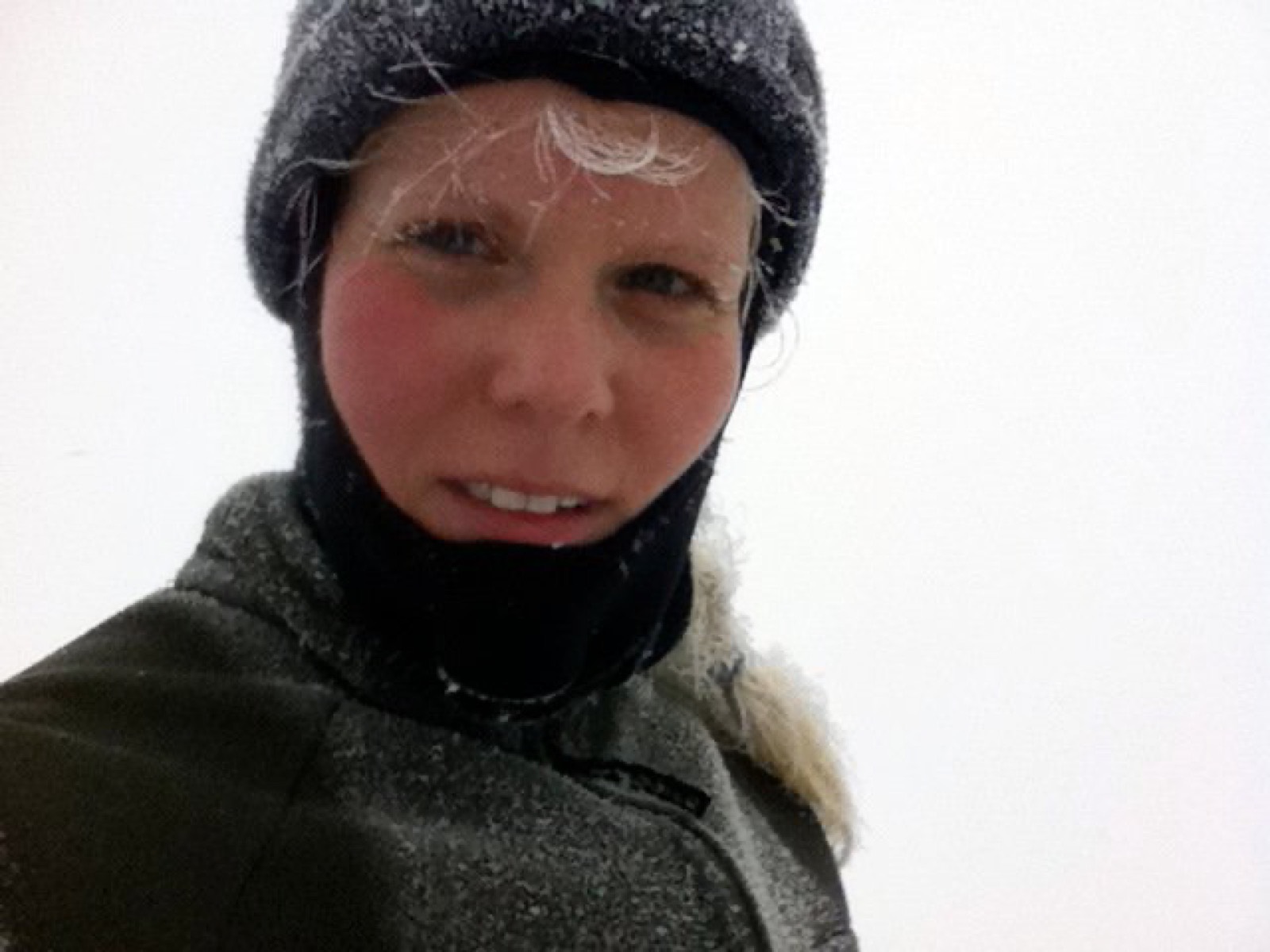
It was one of my first big winter hikes, an instructor-led January ascent of 6,288ft (1,917 m) Mount Washington in New Hampshire. Mount Washington of course bears the distinction of having some of the worst weather in the world, and I was there for a reason: I had been turned around by weather on Mount Washington twice before, in the summer – and as such decided I wanted to learn winter mountaineering skills, in a three-day course that culminated with this January ascent of the mountain.
We set out from Pinkham Notch pre-dawn, a motley crew of instructors and students, which included myself and a couple other Harvard Business School degree candidates. We were huddling in the parking lot readying our gear and trying to stay warm as the thermometer hovered in the low 20s. Not far from us, a group of young guys from the MIT Outing Club were also getting ready to hit the trail. I will admit, I felt the rivalry: here I was, a female Harvard grad student, in a guided course, watching the MIT undergraduate boys in their independent outing, charging with abandon. Would they leave us in the dust?
One of our instructors picked up on the vibe. “Just you wait.” he said partially to me, partially to our whole team. “Here’s what will happen: they’ll start out fast, and with their layers on. They’ll get hot, have to stop, delayer, but they’ll be drenched in sweat and unable to thermoregulate after that. We’ll start out slow, and without layers, and we’ll end up being faster than them.”
Sure enough, the instructor’s prophecy played out almost exactly as he described. The MIT group took off at a breakneck pace, fully bundled up in puffy jackets, insulated pants, and thick gloves. Meanwhile, following the instruction of our leaders, we reluctantly peeled off our outer layers, leaving just thin baselayers and lightweight shells, shivering as we started our slower, steadier climb. For the first half-mile, I envied the MIT group’s apparent comfort—they had looked warm and confident while I felt like an ice cube, questioning why I had paid good money to suffer like this.
Want to know more about Mount Washington? take a few minutes to watch the excellent short documentary 109 Below
But then we hit the first steep incline. Our effort level increased just enough to kick my body’s internal furnace into gear, and soon I was warm—not too hot, not too cold, but just right. The MIT crew, on the other hand, wasn’t faring so well. As we climbed, we reeled them back in as they were now stopping at irregular intervals: to strip off jackets, hats, to catch their breath. Each time they paused, they looked increasingly damp and disheveled. The sweat that had built up inside their layers was now freezing in the brisk mountain air, and their energy levels seemed to plummet with each stop.
By the time we reached the treeline—where the trail opens up to the infamous Mount Washington winds—they were in rough shape. Several of them were visibly shivering, their damp clothing unable to retain heat against the biting gusts. They tried to pull on their puffies for warmth, but it was too late: the moisture trapped in their layers had turned them into an icy liability. Our group, by contrast, kept moving steadily. Because we had started cold and minimized sweat buildup, our clothing stayed dry and functional, keeping us warm as the windchill dropped into the single digits.
The moment our instructor’s prophecy came true and overtook them, I realized that there’s real power in strategy, preparation, and a little patience. Starting cold wasn’t just about avoiding discomfort; it was a survival skill, one that would stick with me on every hike, climb, and expedition to come.
That day on Mount Washington taught me a lot of things, but chief among them was this: the mountain doesn’t care how tough or prepared you think you are. It cares about physics. And physics says that water conducts heat 23.5 times faster than air, meaning that damp clothes can go from uncomfortable to dangerous in a matter of minutes. The only way to avoid this is to stay ahead of the sweat—by starting cold, layering wisely, and keeping your system dry from the get-go.
Why Starting Cold Works
Here’s the thing about hiking: your body is a heater. As soon as you start moving, your muscles generate heat, and your core temperature rises. That means if you start the hike feeling comfortable in your layers, you’re likely going to overheat within minutes. And sweat — the body’s natural cooling system — is not your friend when it comes to staying warm in the mountains.
Once you sweat into your layers, that moisture lingers. Even the fanciest “moisture-wicking” fabrics can’t keep up with the sheer volume of perspiration an uphill climb can produce. As soon as you stop for a snack break or hit that windy ridgeline, your wet clothing becomes a liability, sucking heat away from your body faster than you can generate it. (Remember, water conducts heat about 23.5 times faster than air, so even a little dampness can sap warmth shockingly fast.)
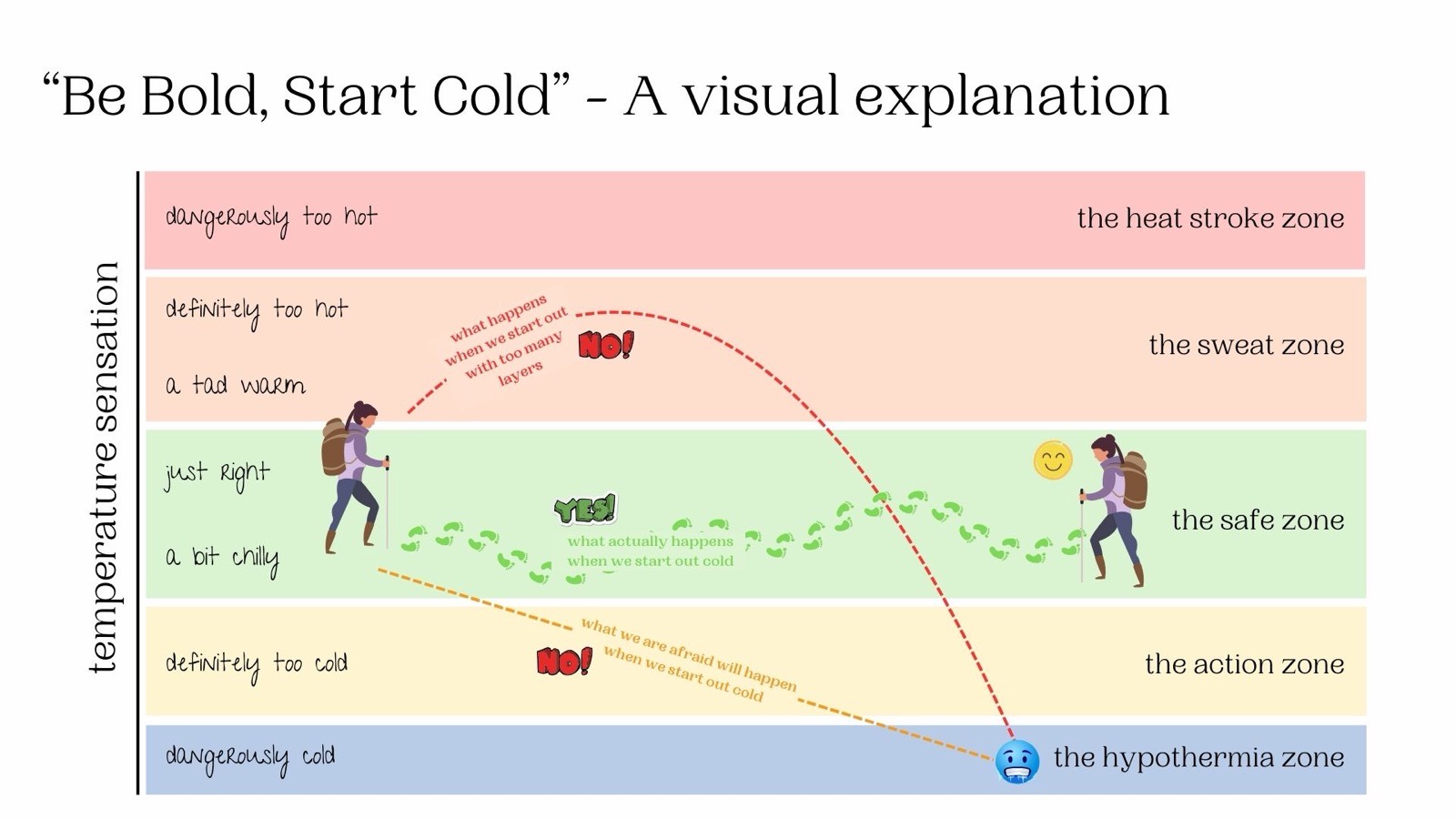
Click into the infographics below to understand how our cold perception and outcomes are related.
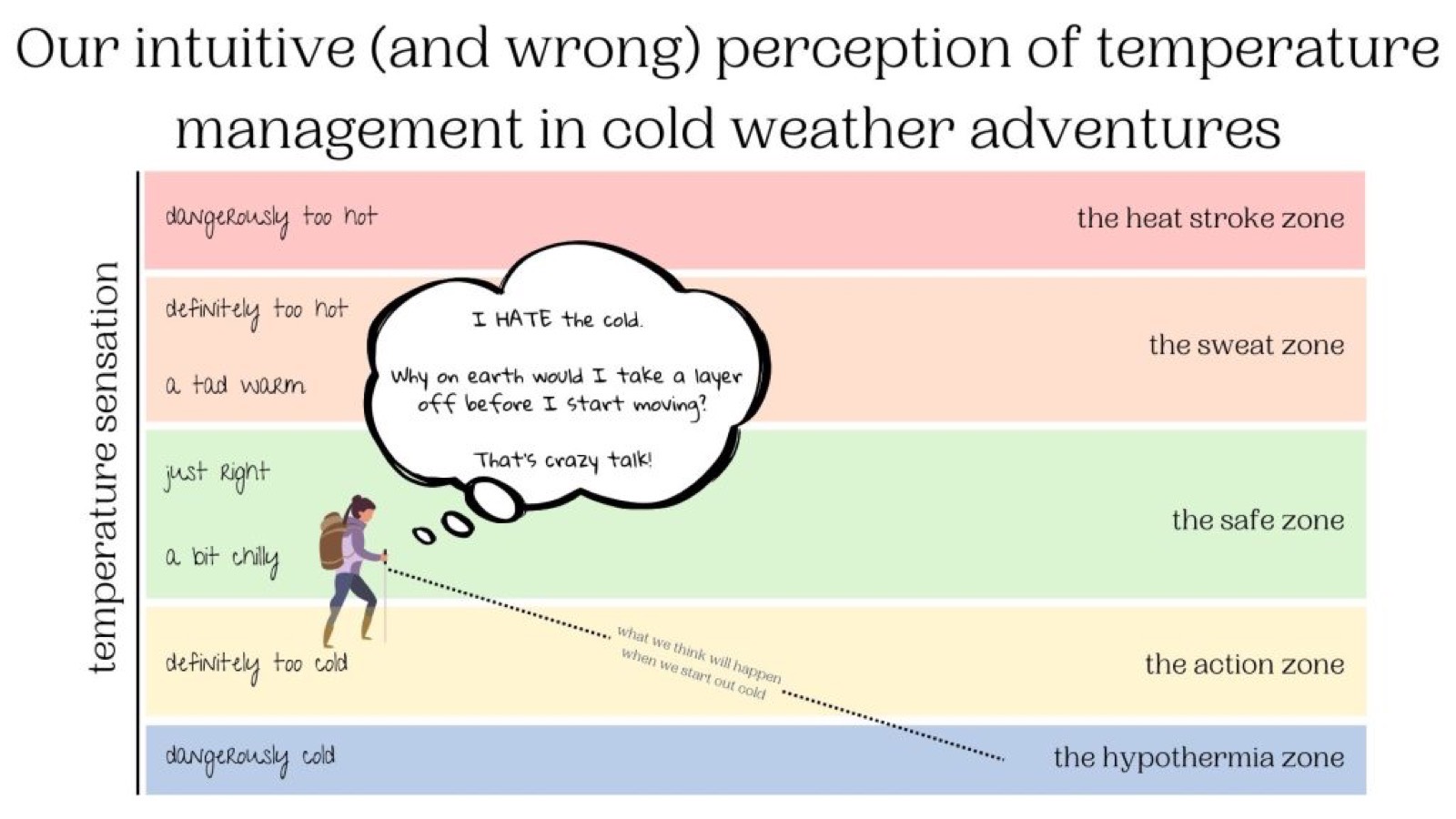
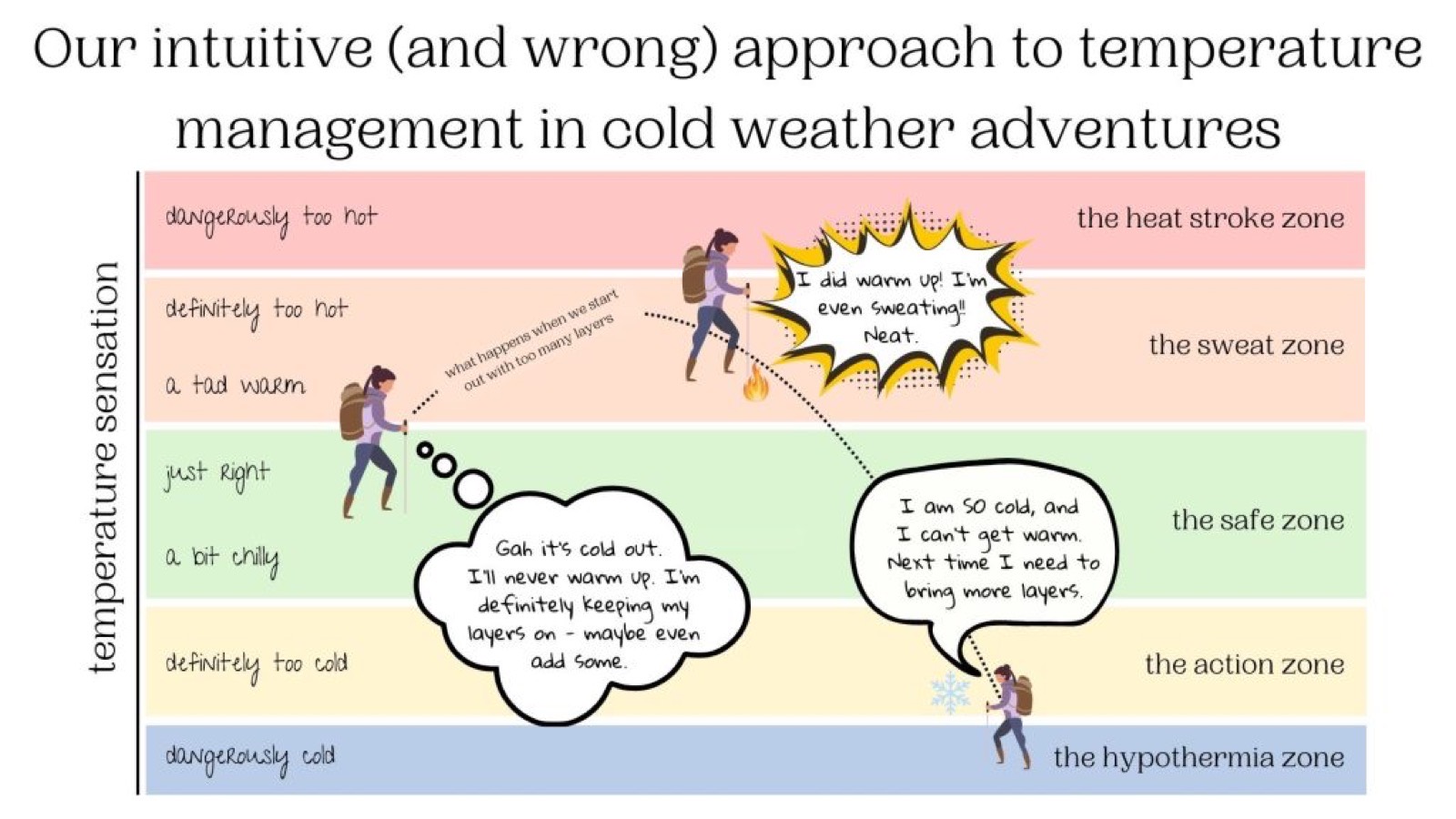
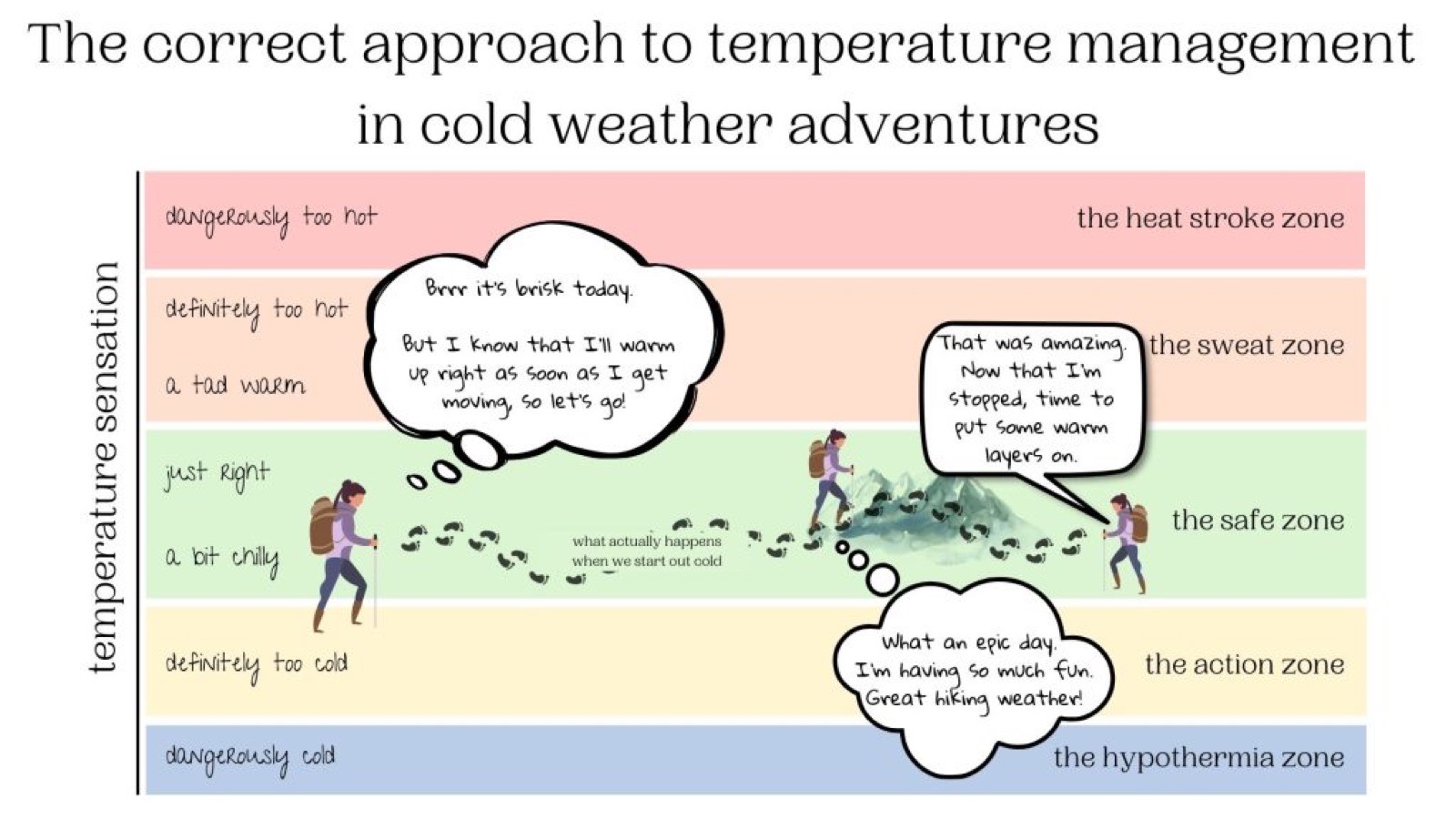
Starting cold prevents this whole mess. By wearing minimal layers at the trailhead, you give yourself room to warm up naturally as you hike. Yes, it’s uncomfortable for the first five to ten minutes. Yes, you’ll curse whoever came up with the phrase “be bold, start cold.” But I promise, it’s worth it.
Women and the Chilly Zone
Over many years of guiding hiking, backpacking, and big mountain expeditions both for co-ed groups and women, I’ve noticed something: women, in particular, tend to resist spending time in that “a bit chilly” zone at the start of a hike. Maybe it’s cultural conditioning — our modern lifestyles prioritize comfort, and that statement may possibly be more salient for women than for men — or maybe it’s just the way we’re wired. Whatever the reason, I’ve seen so many women bundle up more than they need to, only to overheat and sweat through their layers which then leads them to get very cold, and to adopt the belief that they are “not good with the cold.”
I am guilty of this myself, and it’s not just about temperature and moisture regulation while we are active; it also impacts sleeping temperatures. Take it from me: bundling up too much isn’t just a trailhead problem—it’s a sleeping bag problem, too. Even though I know better, I still sometimes crawl into my sleeping bag absolutely determined not to feel cold. Puffy jacket zipped to the chin, hat and gloves donned, sometimes even a hot water bottle: it just feels so nice to not expose yourself to that existential threat of feeling a bit chilled when you know that there’s no hot shower or warm indoor opportunity accessible within many miles.
And for a while, it works. I feel cozy and smug, drifting off to sleep in my perfectly warm cocoon. But then, a few hours later, I wake up damp and clammy, the telltale signs of my desire for warmth and comfort having gone to far. What happened? I overheated. The moisture from my body—yes, we sweat even when we sleep—had nowhere to go, and instead of staying warm, I had created the perfect conditions to end up chilled as that dampness was now primed to start working as a swamp cooler; the exact opposite of what I want and need.
It’s the same principle as hiking: too many layers trap heat, lead to sweating, and ultimately leave you worse off than if you’d started a little cooler. The key is to trust your sleeping bag to do its job. Sleeping bags are designed to insulate your body heat efficiently without the need for excessive layers. A good baselayer is usually all you need to stay warm without sweating, and if you wake up cold, you can always add more layers then.
The same mindset applies to the start of a hike or climb. Being “a bit chilly” isn’t a problem to fix—it’s a sweet spot to embrace. Learning to tolerate those first few minutes of discomfort, whether at a trailhead or in your sleeping bag, can make the difference between staying warm and dry or battling damp, cold misery later on.
Gloves: The Express Lane to Freezing Hands
Let’s talk about gloves for a second, because they’re often the weak link in the “stay warm, stay dry” equation. Gloves are small, they’re thin, and they get wet fast. Whether it’s sweat from your hands or moisture from the environment, even a little dampness can turn gloves into an expressway to ice-cold fingers.
Remember that tidbit about water conducting heat 23.5 times faster than air? It’s brutal when it comes to gloves. Once they’re damp, they lose their insulating power entirely, leaving your hands exposed to the cold. And trust me, there’s nothing quite as miserable as trying to wrangle gear with frozen, clumsy fingers.
My solution? Start your hike with lightweight liner gloves if you need something to take the edge off. They’re easier to keep dry and don’t trap as much heat, which helps prevent sweaty hands in the first place. Keep your thicker, insulated gloves or mittens in your pack for when you actually need them — like a windy ridgeline or a chilly snack break. And always, always bring a backup pair if conditions are wet. You’ll thank me later.
The Fine Line Between Bold and Reckless
Now, let’s be clear: starting cold doesn’t mean starting stupid. There’s a difference between shedding a layer or two and heading into the wilderness half-dressed. If it’s dangerously cold (we’re talking single digits or lower), or if you’re hiking in extreme wind or wet conditions, you need to strike a balance between staying warm enough and avoiding sweat.
For me, this often means starting with a lightweight fleece or synthetic jacket over my baselayer and keeping my puffy in my pack for emergencies. Gloves and a beanie? Usually, yes — those come off easily without breaking stride. It’s all about dialing in your system, and trust me, you’ll get it wrong a few times before you get it right.
A Tale of Two Scenarios
Let me illustrate this with two more stories, because if there’s one thing I know how to do, it’s laughing at my own expense.
Scenario #1: The Alaska Range Fail
During the 1,000-mile Iditarod Trail Invitational, I faced a winter weather warning with a forecast of -55°F windchill—the kind of day when even thinking about going outside feels extreme. Unfortunately, that was the day I had to cross the Alaska Range, a 33-mile effort starting with an 18-mile uphill ski to the crest of Rainy Pass, the highest point on the race course. Determined to “be bold, start cold,” I layered up with a baselayer, a wind jacket, and an uninsulated poncho, plus gloves and a hat. My plan was to rely on movement to keep warm and save my big puffy jacket for when I reached the pass.
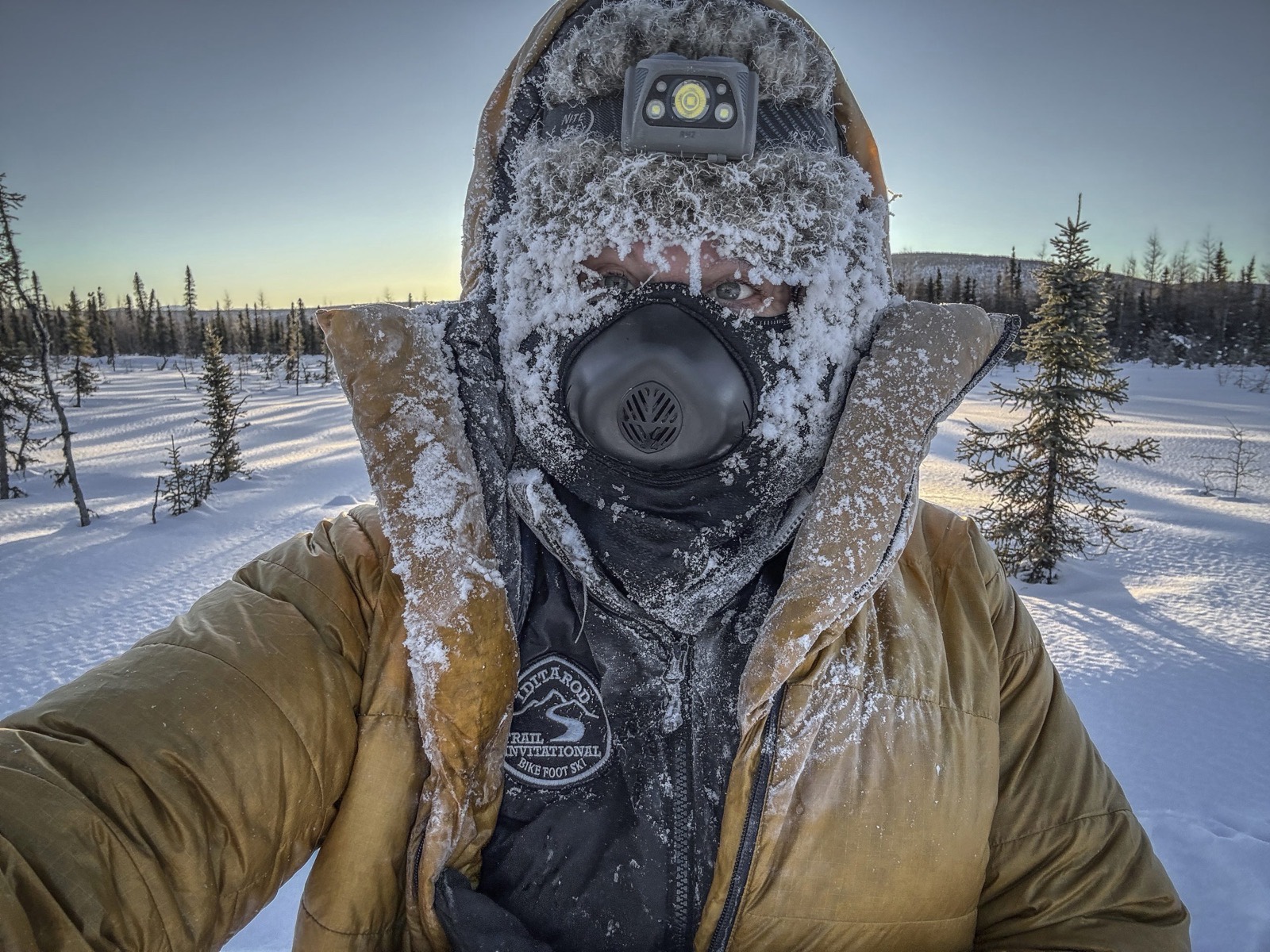
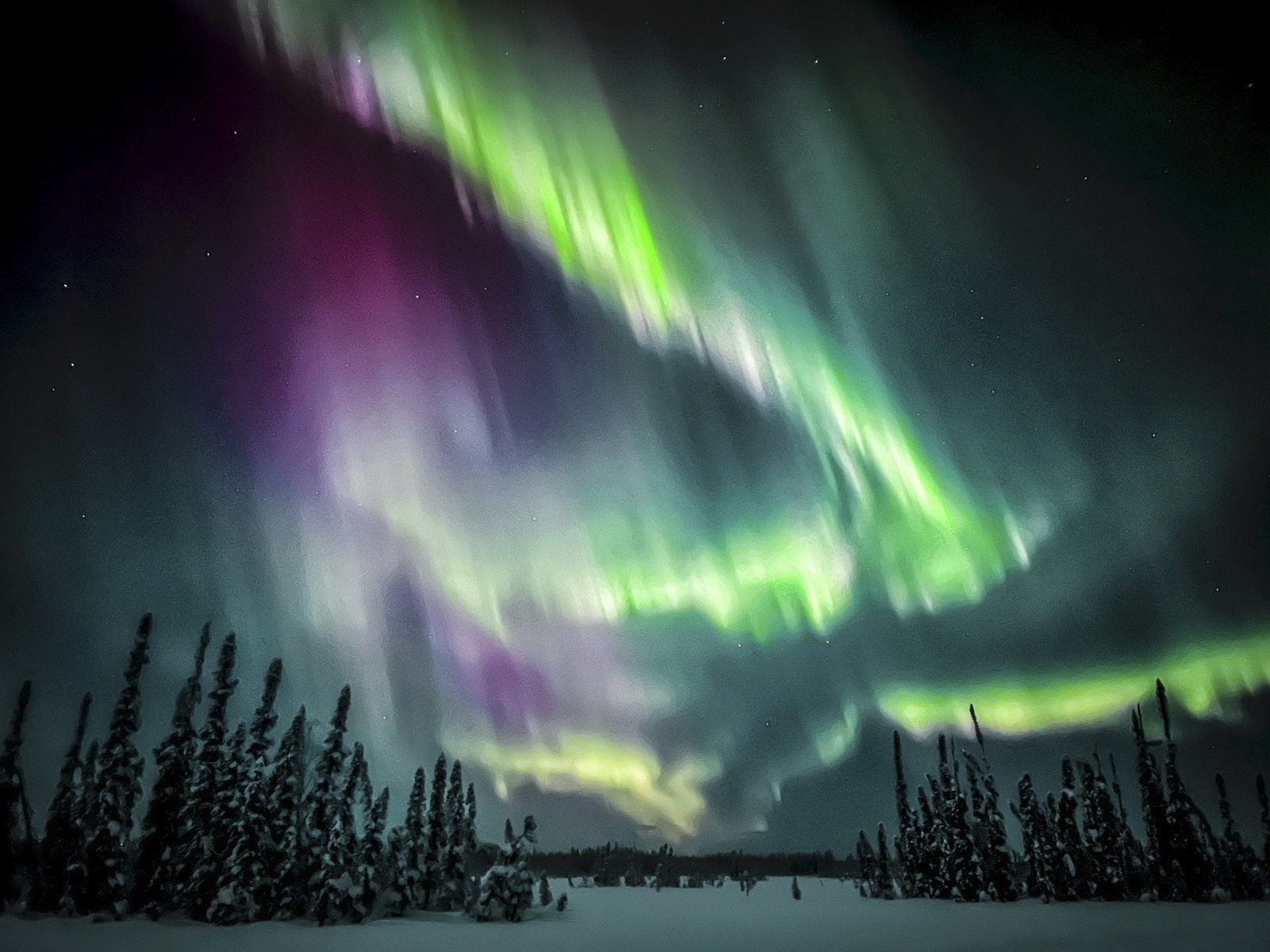
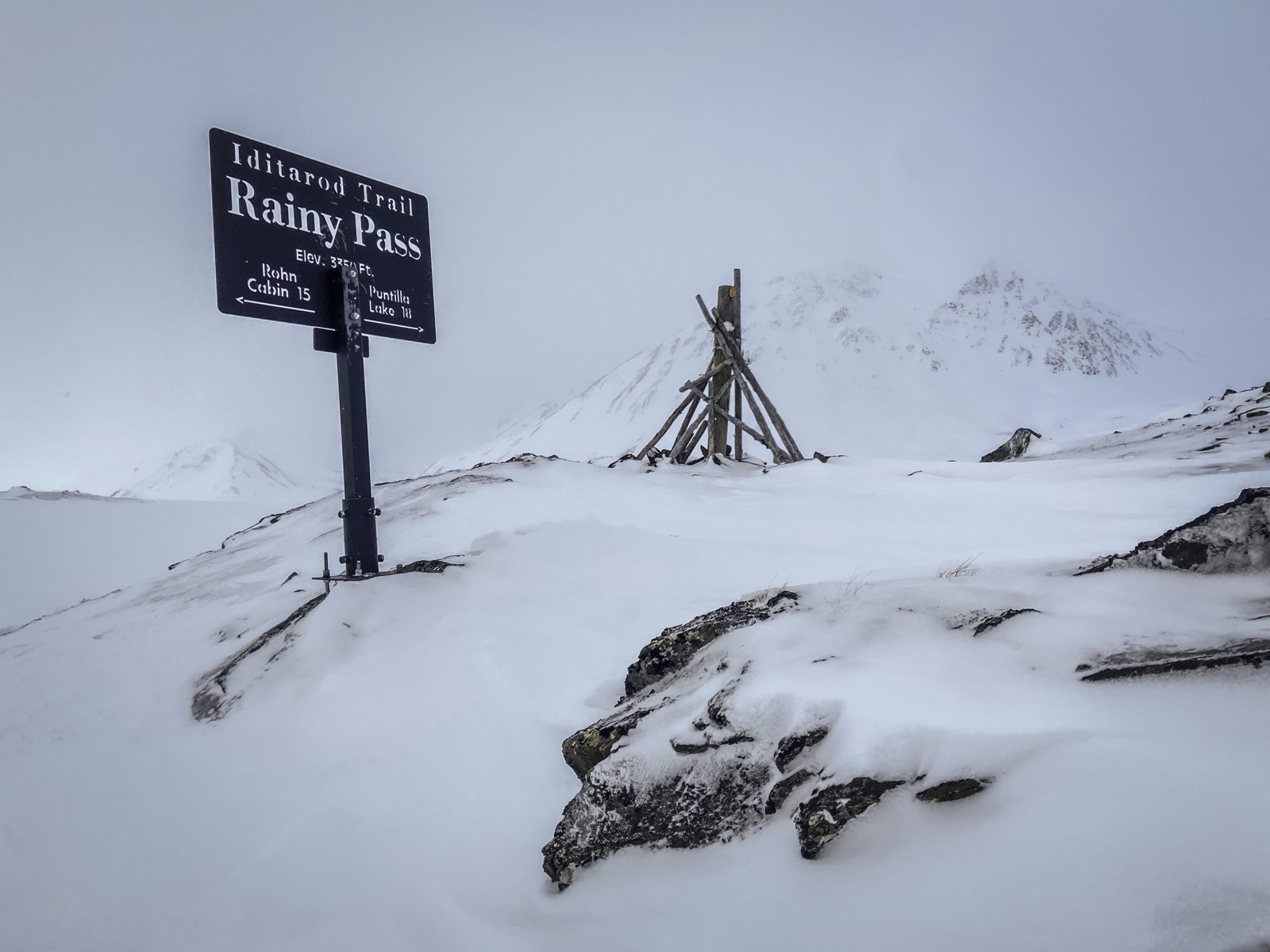
Spoiler alert: it worked, but it didn’t. My core stayed warm enough, but my fingers quickly became too cold to function, making it impossible to eat. (Pro tip: calories are just as important as layers when it comes to staying warm.) By the last few miles before the crest, I was regretting every life choice that led me there, counting on my puffy for relief once I was done climbing. The plan was solid—until I realized I hadn’t packed my puffy at all. Somewhere in the pre-dawn shuffle of getting ready, I’d left it behind. In -55°F windchill, that’s not a mistake you want to make. [Read the full story here.]
Moral of the story: Be bold, but don’t overdo it. Always delayer strategically, but double-check that you have your warm layers with you before heading out.
Scenario #2: The Grand Canyon Mittens
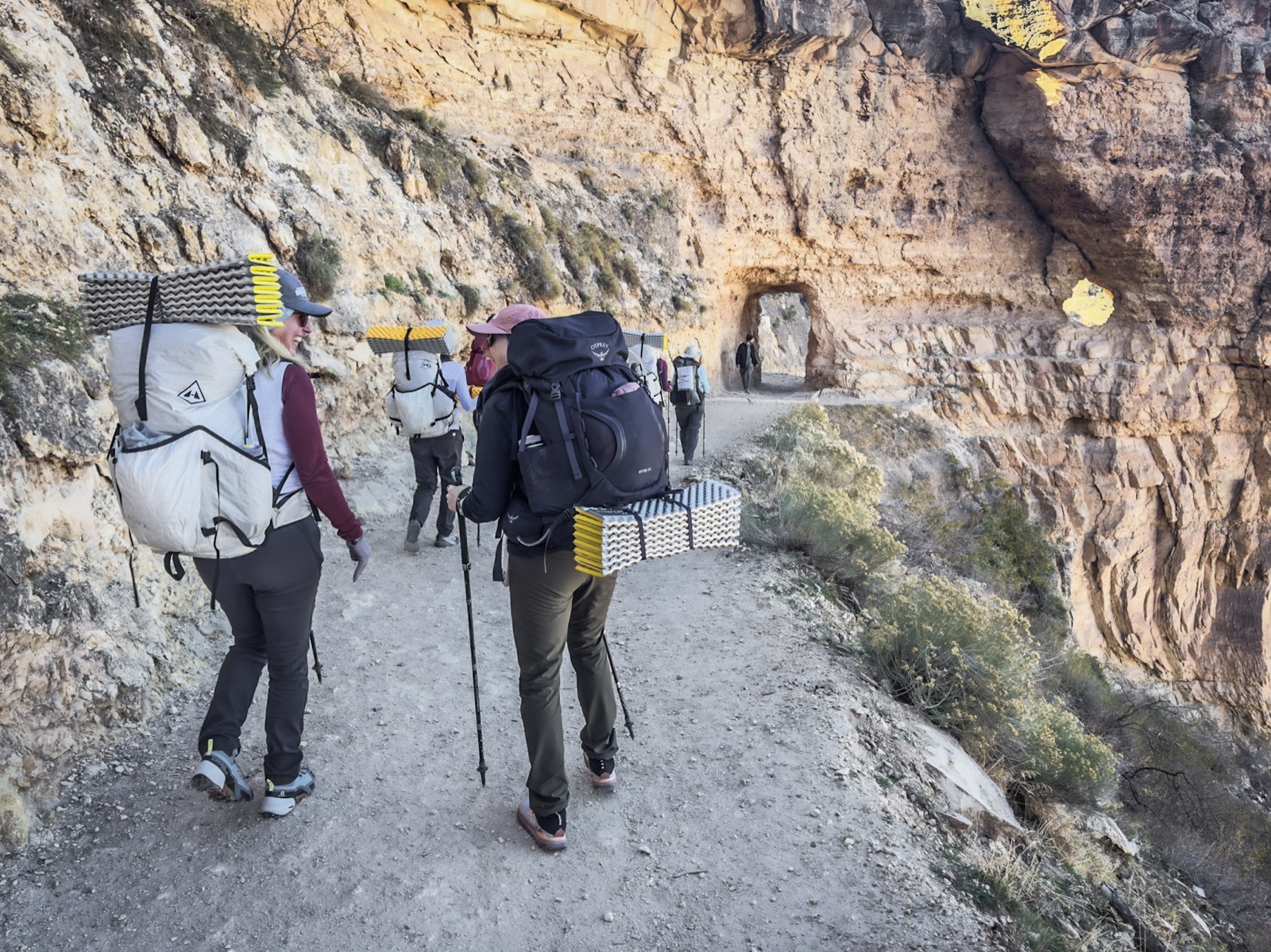
On a Grand Canyon backpacking trip in early November, I was guiding a group down into the canyon on a crisp morning. The air temperature hovered around 50 degrees Fahrenheit—not exactly frigid, but chilly enough to make staying warm a consideration. One of the gals in the group had Raynaud’s, which meant cold hands were more than just an annoyance; they were a real concern.
Twenty minutes into the descent, I checked in with her. “How are you feeling?” I asked. “Great!” she replied. “Just my hands… they’re so cold, I can’t really feel them.”
She was wearing gloves in temperatures that were arguably too warm for gloves, yet her hands were still very cold. We stopped to fix the issue and she retrieved her big winter mittens (which had made it into her pack against my counsel; I had relented due to her Raynaud’s diagnosis.). In the meantime, I slipped my hand inside her liner gloves to check; sure enough, they were damp. A little bit of sweat had accumulated in just those twenty minutes since we had started hiking, turning her gloves into the perfect heat-sapper – even at relatively mild temperatures.
I let her use the mittens for a few minutes, long enough for her hands to warm up and her core to stabilize. But then I did something that might sound counterintuitive: I asked her to take them off. “If you keep these on too long,” I explained, “you’ll end up sweating, and that’ll make things worse.”
She went bare-handed for the next section of the hike, and—much to her surprise—her hands were fine. More than fine, actually. Without damp gloves trapping moisture and conducting heat away, her hands stayed perfectly warm, even in the cool air. By the time we stopped for a break, she was glowing—not from sweat, but from realizing she could manage her Raynaud’s effectively with this new strategy.
Moral of the story: When it comes to cold hands, gloves are only helpful if they stay dry. Sometimes, counterintuitive decisions—like going bare-handed—can be the key to staying warm. Be bold, start cold, and trust your body to adjust, even in challenging conditions.
Final Thoughts: Be Bold (and a Little Brave)
I won’t lie to you: starting cold isn’t fun. It’s uncomfortable, it’s counterintuitive, and it requires a level of self-restraint that doesn’t come naturally to most of us. But it’s also one of the best things you can do to stay comfortable and safe in the mountains.
So next time you’re standing at a trailhead, shivering and debating whether to add “just one more layer,” take a deep breath, channel your inner badass, and remember: be bold, start cold. Your dry, warm, and grateful future self will thank you.
And if you’re still cursing me after the first half-mile? That’s fine, too. You’ll come around. Trust me — I did.