
What Is an Alpine Start in Mountaineering
By Sunny Stroeer

Why Are Alpine Starts Essential for Your Summit Success?
When you sign up for your first big mountain expedition, you might be surprised to learn your summit day begins not at sunrise, but at midnight, 2 a.m., or even earlier. That’s called an alpine start and while it may sound intense, it’s one of the most important strategies in mountaineering.
So what exactly is an alpine start, why do climbers set out long before dawn, and what determines just how early is early enough (vs too early!)?
Let’s dig into the why, when, and how of this high-altitude ritual.
What Is an Alpine Start?
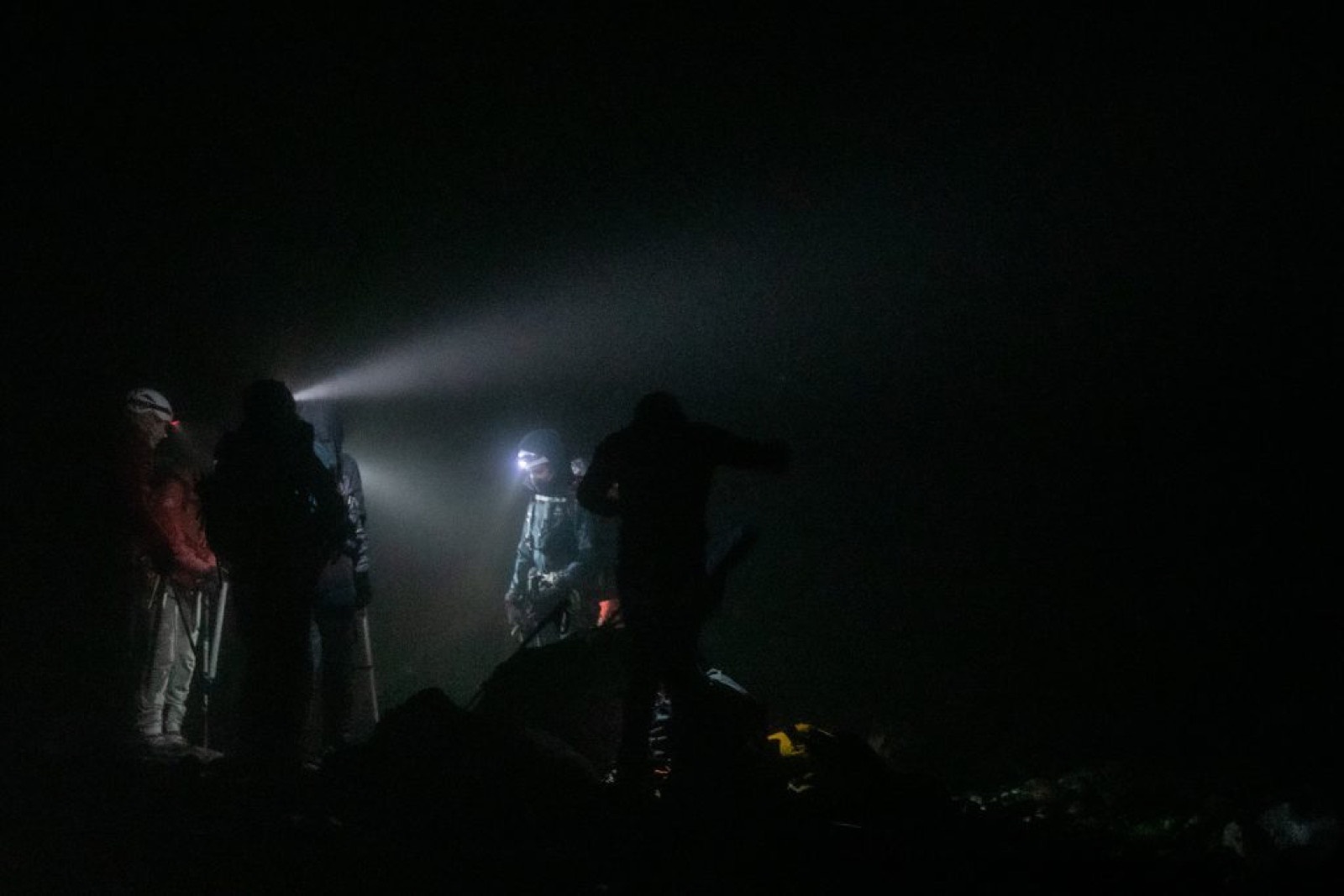
An alpine start refers to beginning a climb in the very early hours of the morning, typically sometime between midnight and 4:00 a.m. It’s standard practice for summit bids on high-altitude peaks, glacier routes, or any objective where timing and terrain demand an early head start – more about that in a minute.
At AWExpeditions, we plan alpine starts carefully based on a variety of factors, including the route’s technical difficulty, expected weather conditions, and the unique needs of the team.
Why Climbers Start So Early: 5 Key Reasons
1. Avoiding Dangerous Afternoon Weather
In many mountain ranges—from the Alps to the Andes to the Rockies—afternoon thunderstorms are common, especially in the summer. By starting early, climbers aim to reach the summit and descend below exposed ridgelines before lightning, wind, or whiteout conditions roll in.
2. Safer Snow and Ice Conditions
When temperatures are lowest—typically in the pre-dawn hours—snow, glaciers, and ice are more stable. Frozen surfaces offer better footing, make crevasse crossings more secure, and reduce the risk of wet-slab avalanches or rockfall triggered by daytime warming. The goal for climbing teams on many glaciated peaks is to be back down from the glacier before the day’s high temperatures draw near. That may mean climbing through the night and returning to camp before midday.
3. Maximizing Daylight and Turnaround Times
Every summit plan should include a “hard turnaround time,” a predetermined cutoff for when to abandon the climb, even if the summit hasn’t been reached. Starting early builds in extra time to safely navigate technical terrain, take breaks, and handle unexpected delays.
4. Crowd Control on Popular Routes
On classic peaks like Mt. Rainier, Kilimanjaro, or the Matterhorn, early starts can help teams beat the crowds, avoid bottlenecks at technical sections, and reduce the chances of falling rock dislodged by climbers ahead.
5. Altitude Management
At high elevation, everything takes longer—your pace slows, your breaks lengthen, and your body demands more time to adjust. Starting early allows for a more measured, sustainable pace on summit day, while still abiding by prudent turnaround times that prevent a summit team from running out of daylight.
How Early Is Too Early?
The precise timing of an alpine start depends on several factors:
- Length and technical grade of the route
- Glacier crossings or snowfields that require cold conditions
- Estimated pace of the team
- Expected sunrise and weather forecast
- Crowd levels on the route
For example, a short non-technical summit might call for a 3:00 a.m. start, while a technical ascent with a long approach may begin at 11:00 p.m. the night before. At AWExpeditions, our guides use their expertise to tailor the schedule for both safety and success. Conversely, summit bids on extremely cold but non-glaciated mountains (like Aconcagua) frequently don’t start until 4 or even 5am, as we mostly aim to minimize exposure to the coldest part of the night and typically don’t have to worry about warming glaciers or afternoon thunderstorms.
What to Expect on an Alpine Start
You’ll likely wake up in a dark tent, gear pre-packed the night before. You’ll dress in layers, possibly grab a quick bite—oatmeal, tea, maybe a protein bar—and hit the trail by headlamp, stars twinkling overhead.
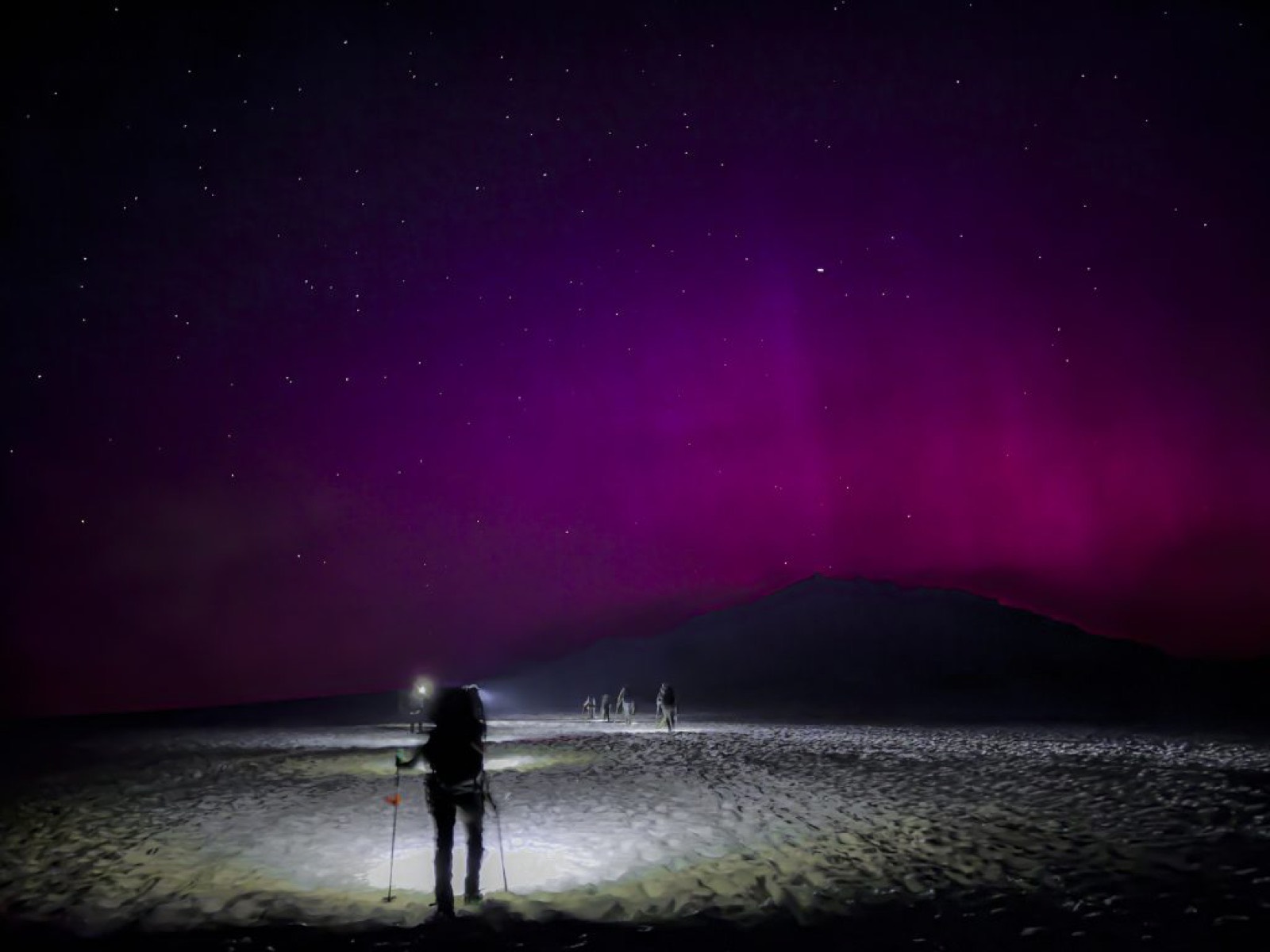
It’s quiet, surreal, and yes, maybe a little brutal. Everything is more difficult in the dark. Staying warm is harder. Maintaining a good attitude is more difficult. Finding your rhythm may feel more challenging than during the day. But as the sky begins to lighten and the first alpenglow paints the peaks, there’s nothing quite like knowing you’ve earned the sunrise. If you’re extremely lucky, like one of our all-women teams on Mount Baker in 2023, you might even catch a hint of the aurora borealis while you are climbing through the night!
Tips for Thriving on an Alpine Start
- Prep your gear the night before: Nothing slows down an early start like fumbling in the dark.
- Fuel efficiently: Have high-calorie, easily digestible snacks ready to go – both for “breakfast” and in your pockets for the climb.
- Practice layering: Temperatures can swing drastically between 2 a.m. and 10 a.m. Be ready to adjust.
- Sleep early (if you can): Even a few hours of rest can make a big difference.
- Keep your headlamp batteries fresh: You’ll rely on that headlamp more than you think – unless there’s a full moon, in which case you may be able to switch off your headlamp entirely (at least in straightforward terrain).
Alpine Starts: A Rite of Passage in Mountaineering
They’re not glamorous. They’re not comfortable. But alpine starts are where some of the most unforgettable moments of mountaineering happen—quiet, starlit ascents, shared effort, and the magic of a summit sunrise.
At AWExpeditions, we embrace alpine starts not just for their practicality, but for what they symbolize: discipline, resilience, and the commitment to meet the mountain on its own terms.
Ready to experience it for yourself? Check out our upcoming expeditions or apply for a Summit Scholarship to join us on the climb.